








Film expert Martin Siegel - Managing director
» Difficult to find the right film straight away - may I help you? «




Tile films: innovative way to beautify rooms
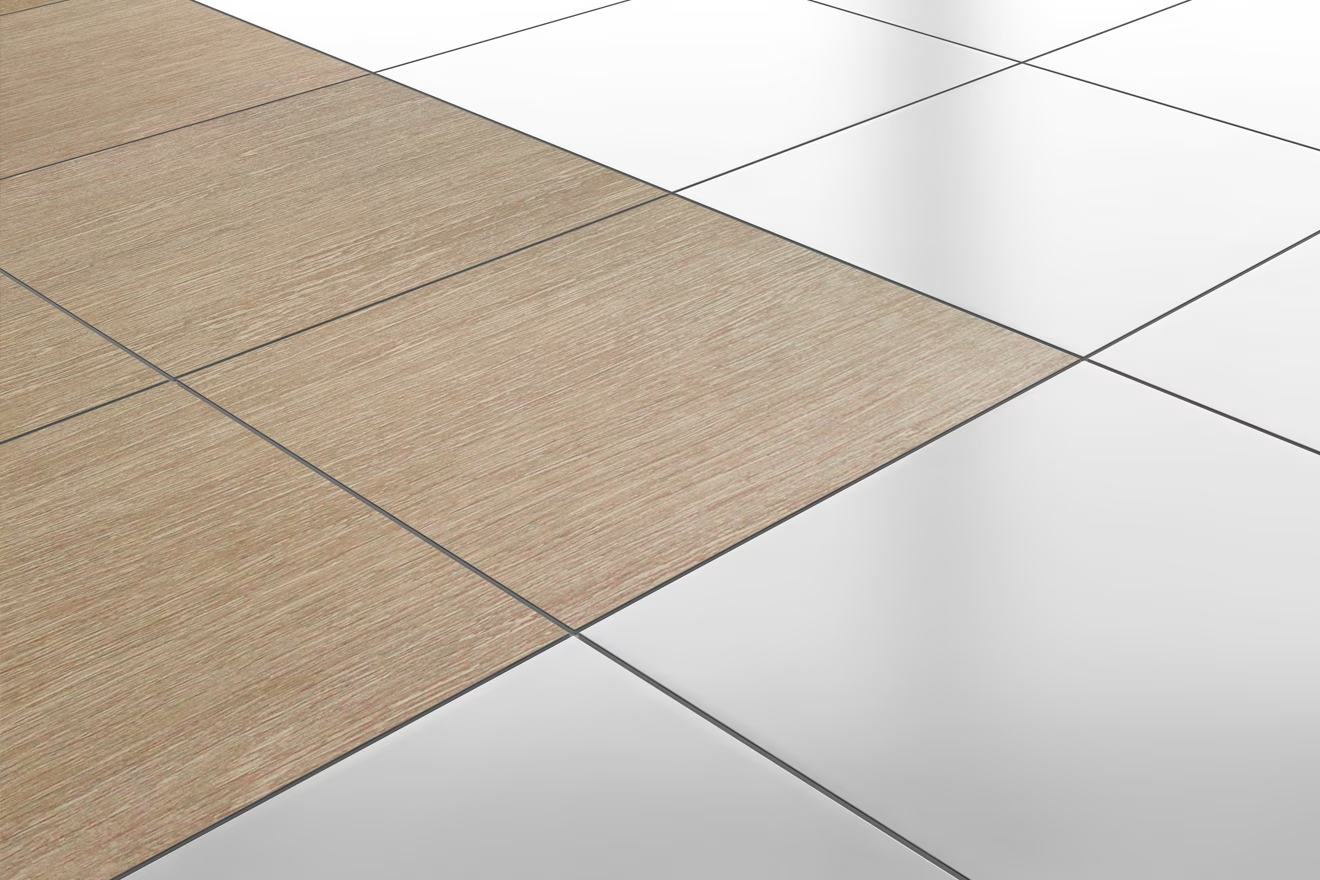
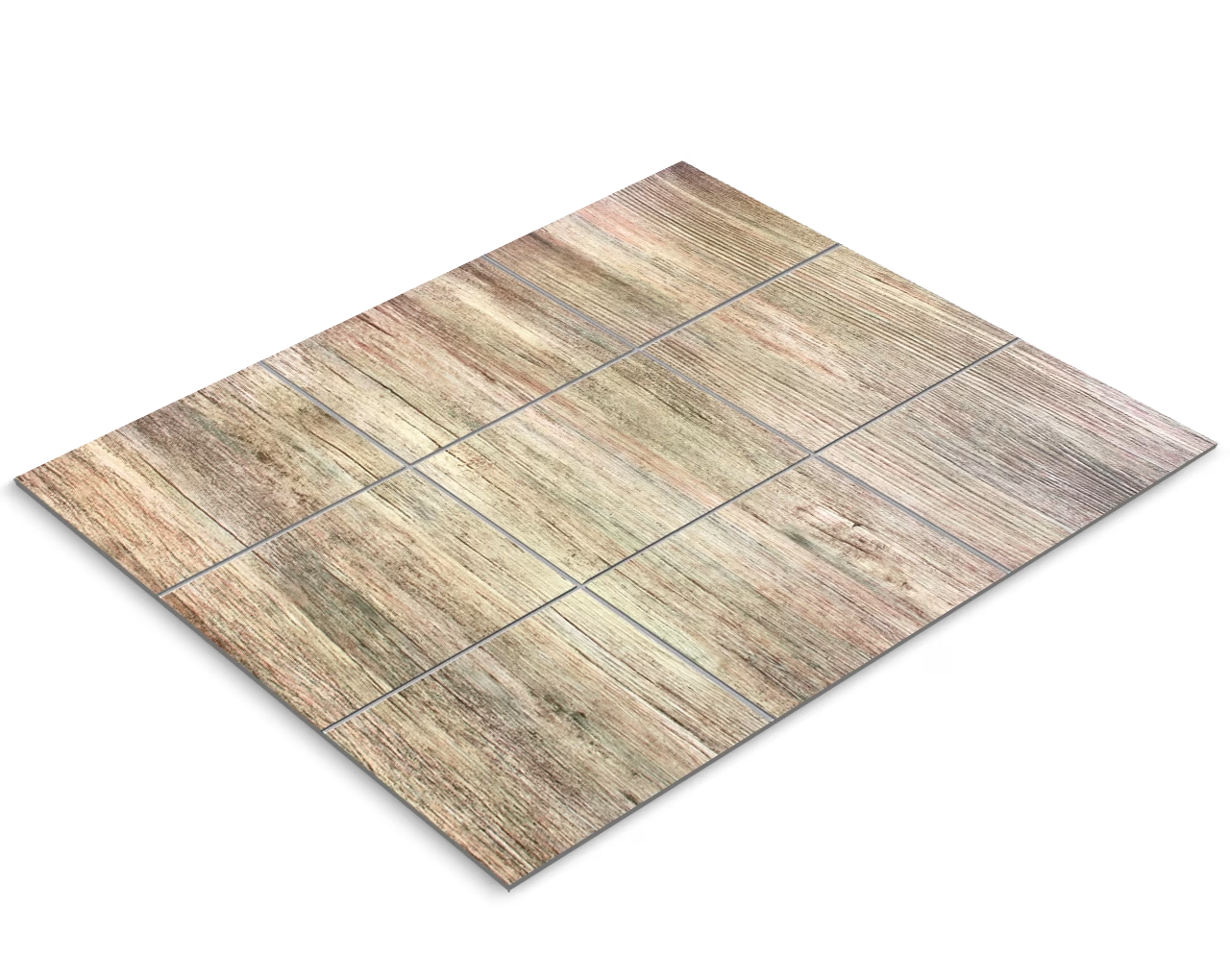
Tile films are an innovative way to beautify old or ugly tiles in different rooms of the house without the need for expensive renovation work. These self-adhesive films are available in different sizes, shapes and colours and can be applied to almost any tile surface to give it a new look.
Areas of application for tile foils: bathroom, kitchen, hallway and living room.
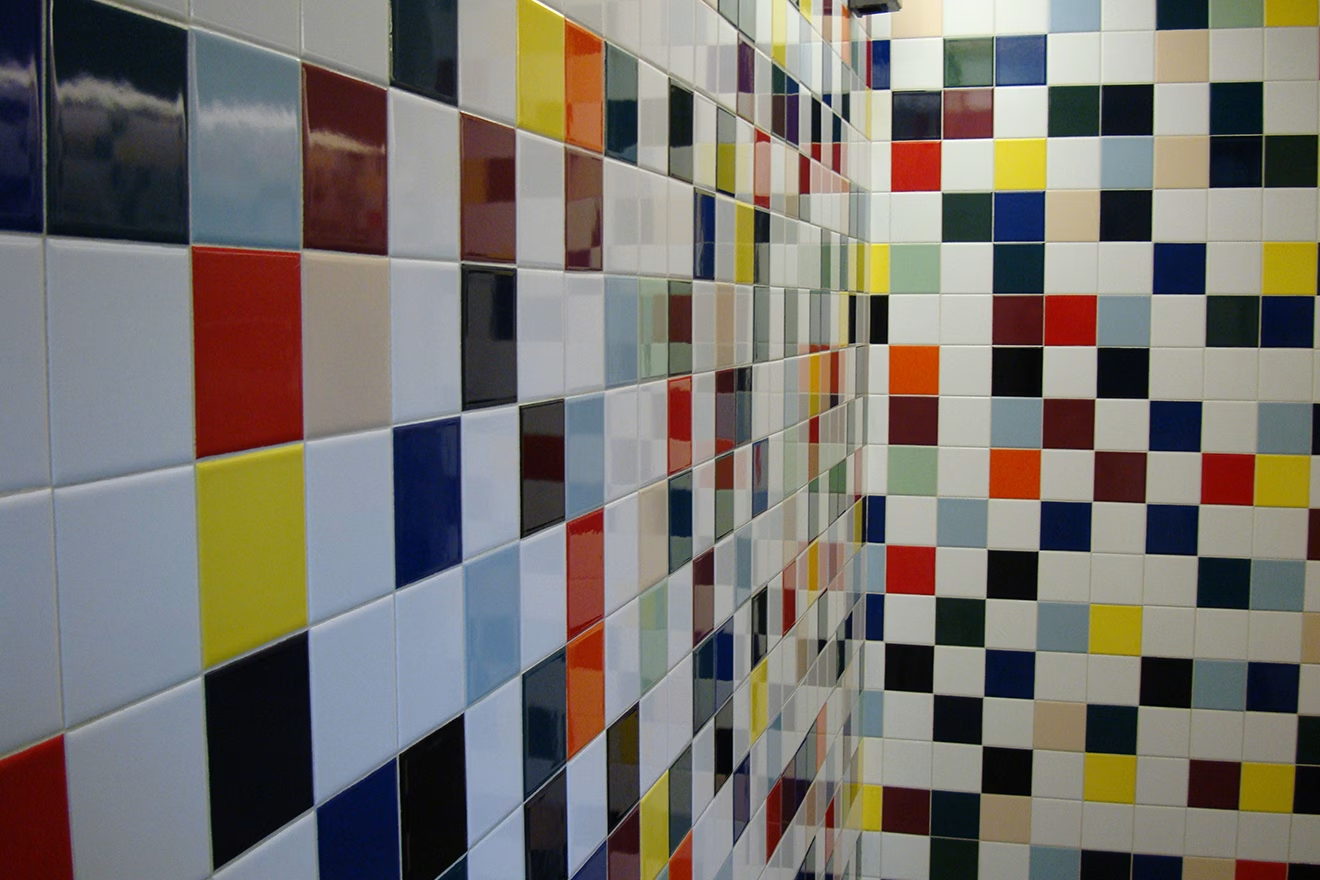
Tile films can be used on floors and walls in many different rooms, including bathrooms, kitchens, hallways and even living rooms. In the bathroom, they can be applied to wall and floor tiles to give a new look and freshen up the room. In the kitchen, they can help create a new colour palette or to cover old tiles without the need for expensive renovations. In hallways and living rooms, they can help create an attractive and uniform look.
Advantages of tile films over new tiles
The biggest advantage of tile films over new tiles is that they offer a cost-effective and quick way to achieve a new look. Unlike tile renovation, which can be expensive and time-consuming, applying tile foils does not require professional expertise or special tools. It is also easier and faster to apply the foil to existing tiles than to install new tiles. In addition, tile foils can be easily removed and replaced if the taste or look of the room changes, without the need for a new remodelling. Even minor imperfections in the tiles can be ideally concealed by applying a tile sticker.
Another advantage of tile films is that they can provide a long-lasting and water-resistant solution. High-quality tile films are usually waterproof and stain-resistant, which can help extend their durability and appearance.
Overall, tile films offer a quick, cost-effective and long-lasting way to change the look of a room and cover up old or ugly tiles. Their ease of application and removal make them a popular option for homeowners looking for a quick and easy way to achieve a new look.
Questions and answers
The durability of tile film depends on various factors, such as the quality of the material, the application and the environmental conditions. High-quality tile films can last for several years before they need to be replaced. When used correctly, tile films can also be water-resistant and dirt-repellent, which contributes to a longer service life.
Yes, tile foils can be used with underfloor heating installed. However, it is important to ensure that the tile foil is suitable for this type of installation and to follow the manufacturer's instructions carefully.
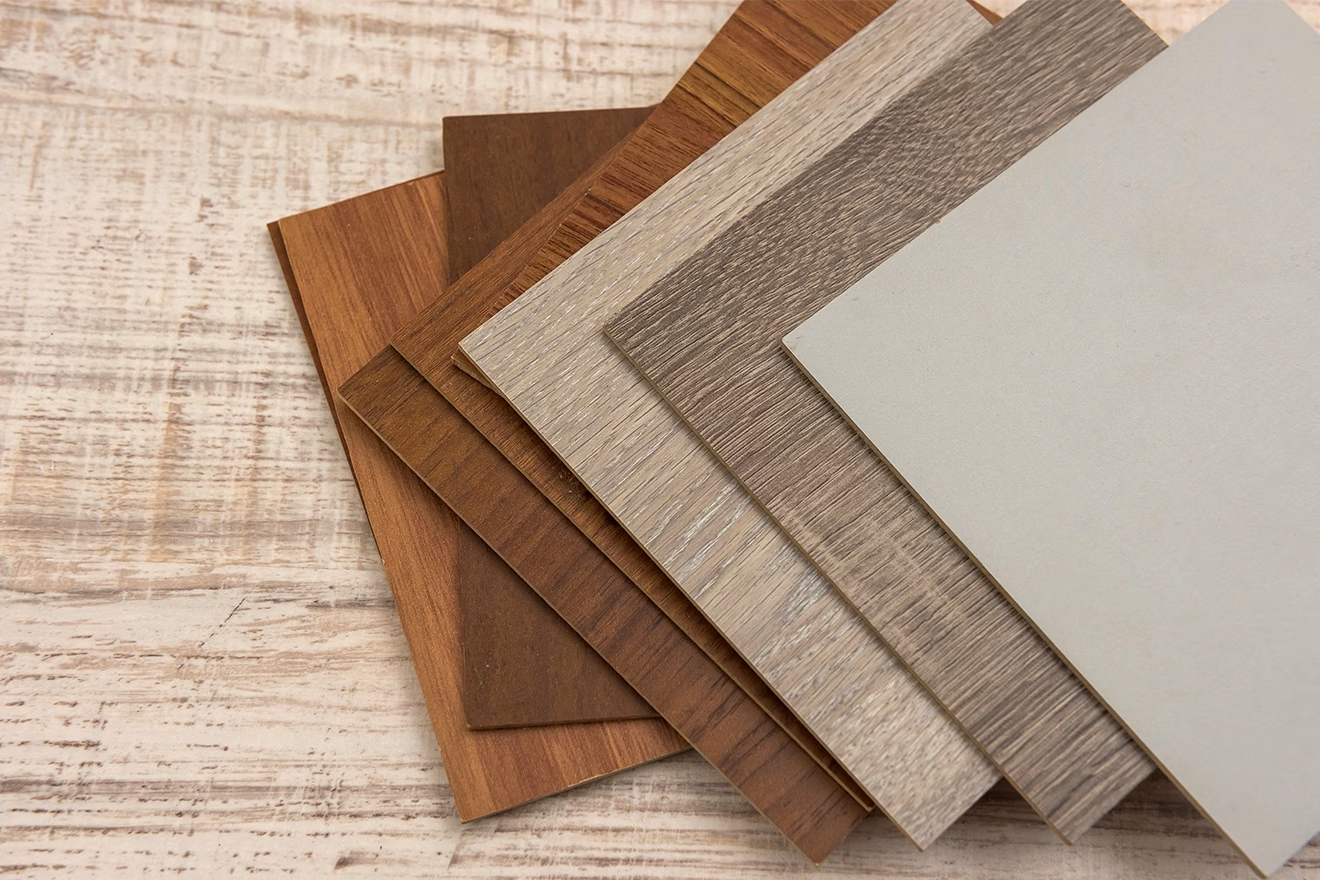
Like a sticker, self-adhesive furniture foils have a transparent adhesive on the back. This has a backing paper on it, which must first be peeled off a little. The exposed backing is then aligned with the surface to be covered and pressed on piece by piece with a squeegee to remove any bubbles. Any excess material is then neatly cut off with a cutter knife.
Yes, it is possible to cover tiles in the shower with tile films, provided that the tile film is suitable for use in wet environments. However, it is important to ensure that the tiles are thoroughly cleaned and dry before applying the tile film to ensure good adhesion.
There are several ways to deal with ugly tiles. One option is to paint over the tiles or cover them with tile film to give them a new look. Another option is to replace the tiles with new ones or distract them with decorations or furniture to reduce their visibility.
Yes, tile stickers can be applied over joints to create a new look. However, it is important to ensure that the joints are thoroughly cleaned and dry before applying the tile stickers to ensure good adhesion. It may also be necessary to cut the tile stickers to the size of the tiles and joints to achieve a perfect result.