



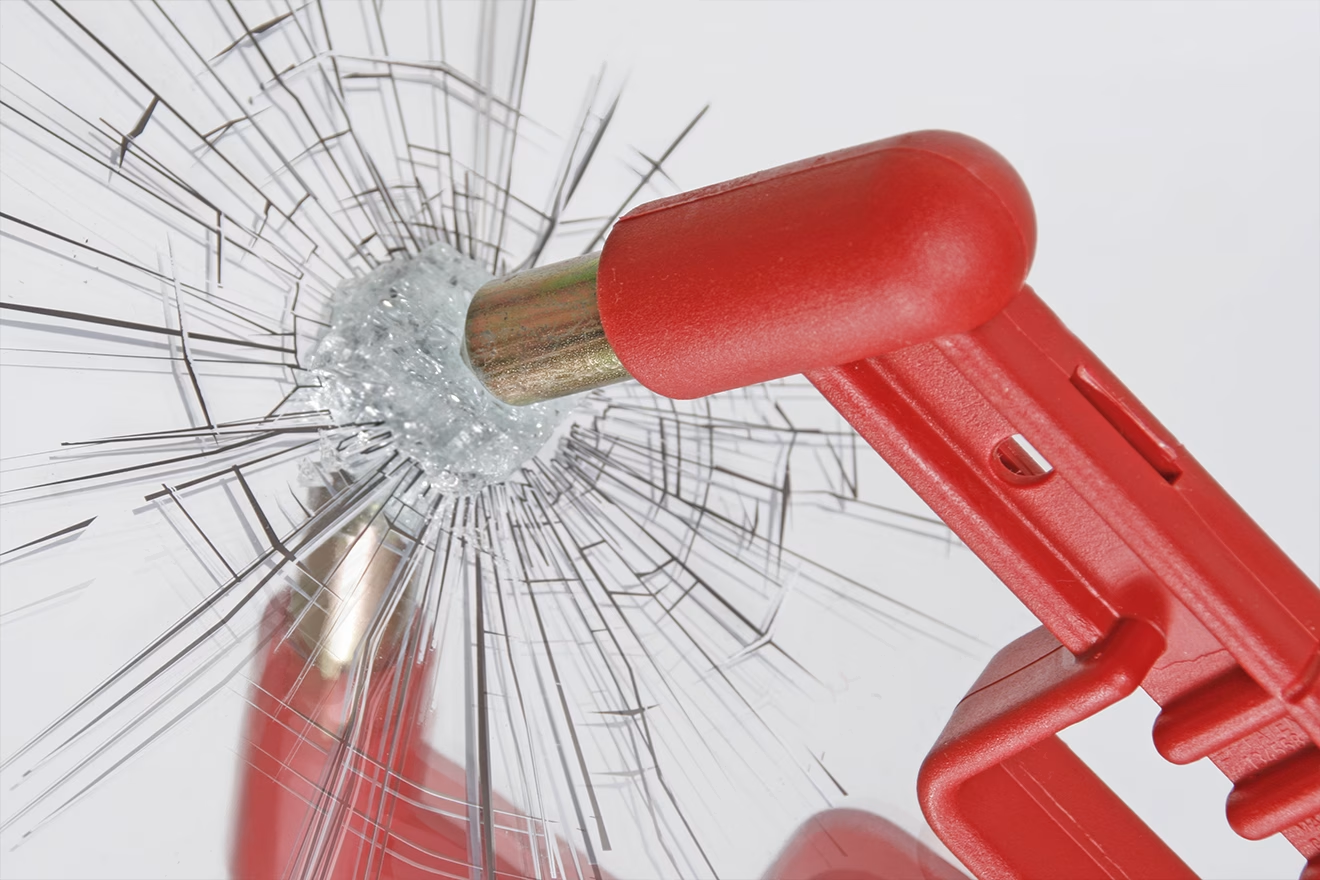



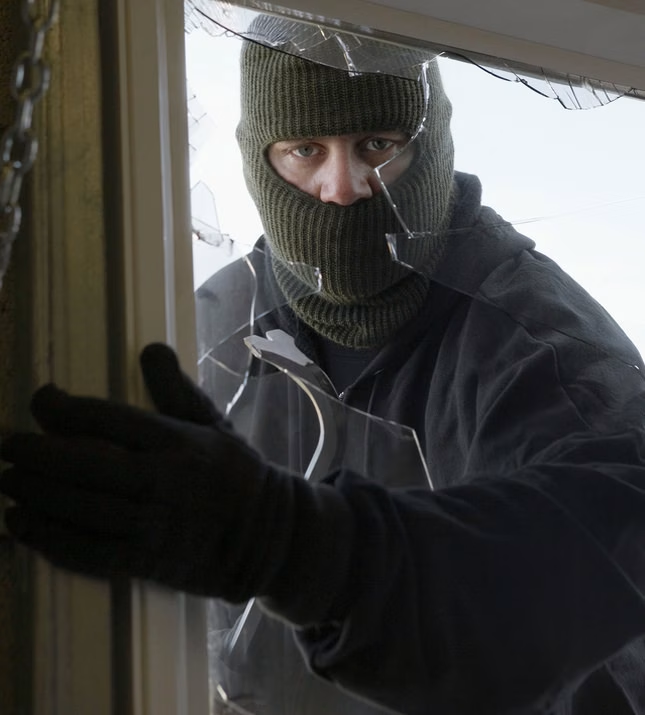





This impact-resistant anti-burglary device for windows or patio doors is easy and inexpensive to retrofit. It fulfils DIN EN 356 P2A and offers the best possible burglary protection for glass panes.

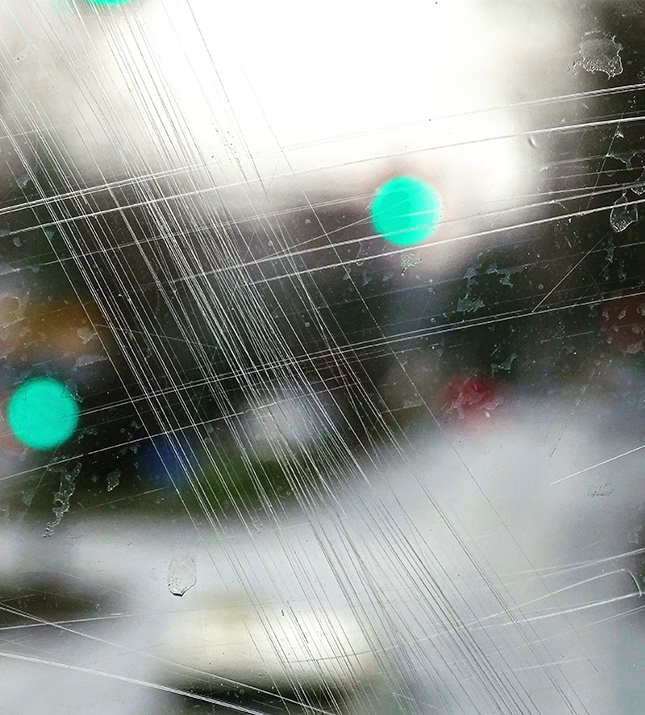
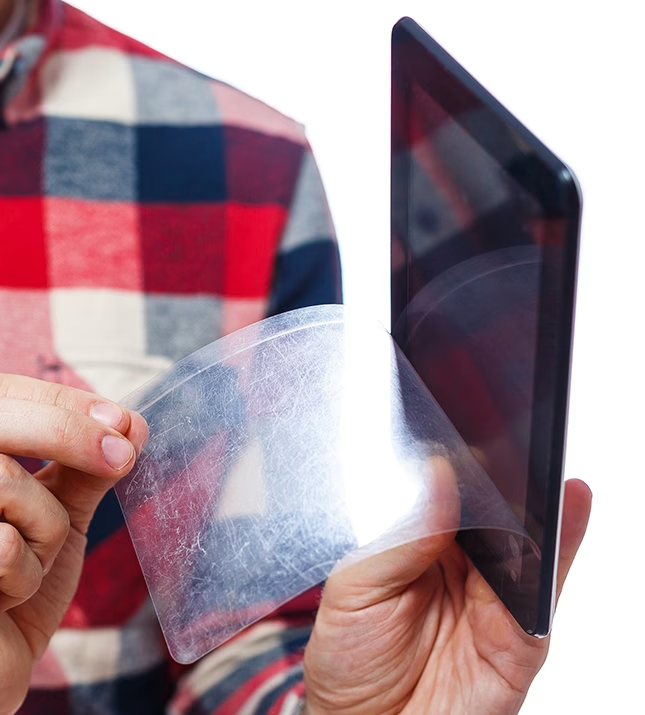
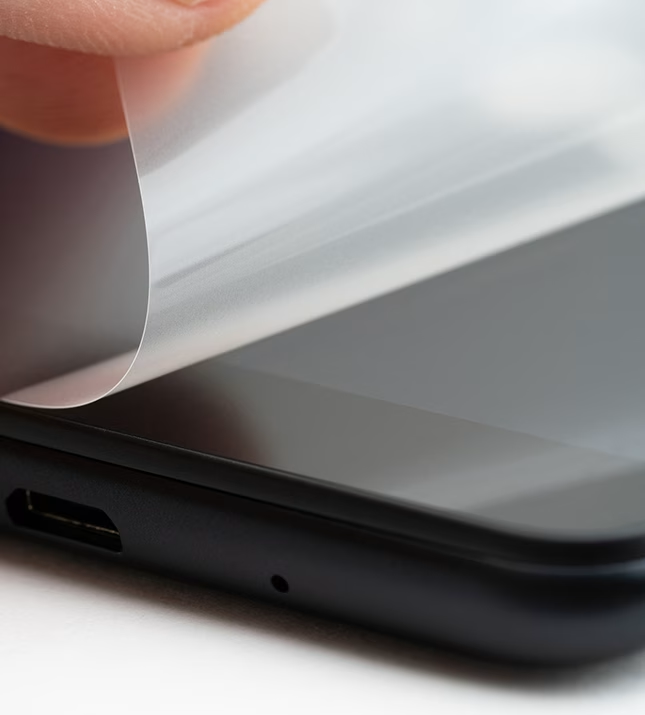
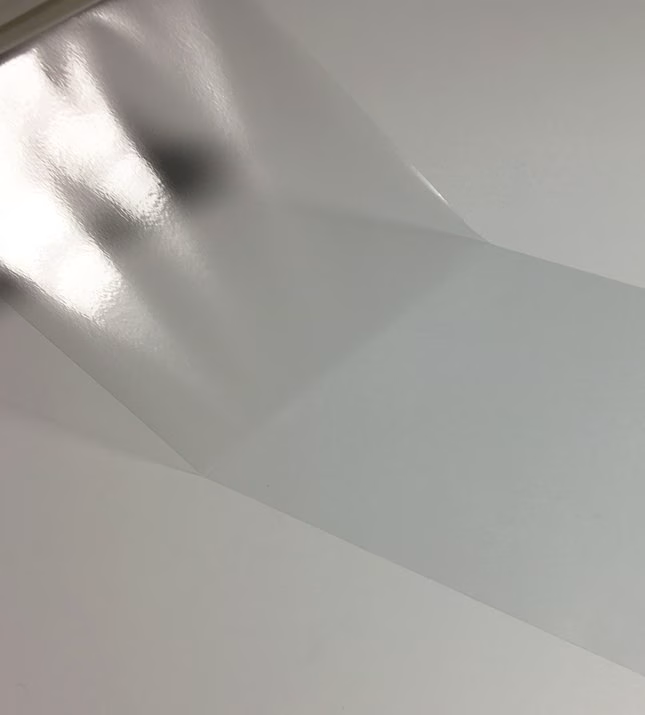
This inexpensive PVC-based protective film is used as a protective laminate to protect printed documents or objects from damage and fading, for example. The surface is slightly glossy.

Film expert Martin Siegel - Managing director
» Difficult to find the right film straight away - may I help you? «

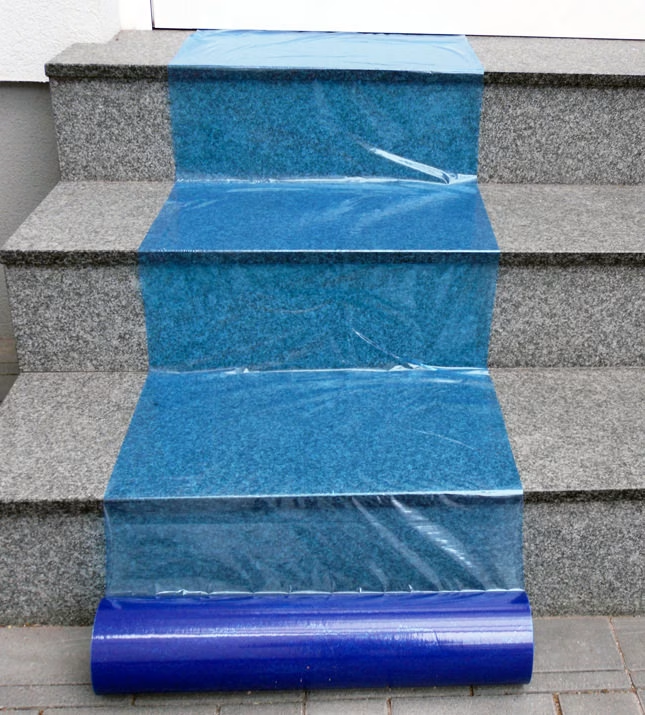
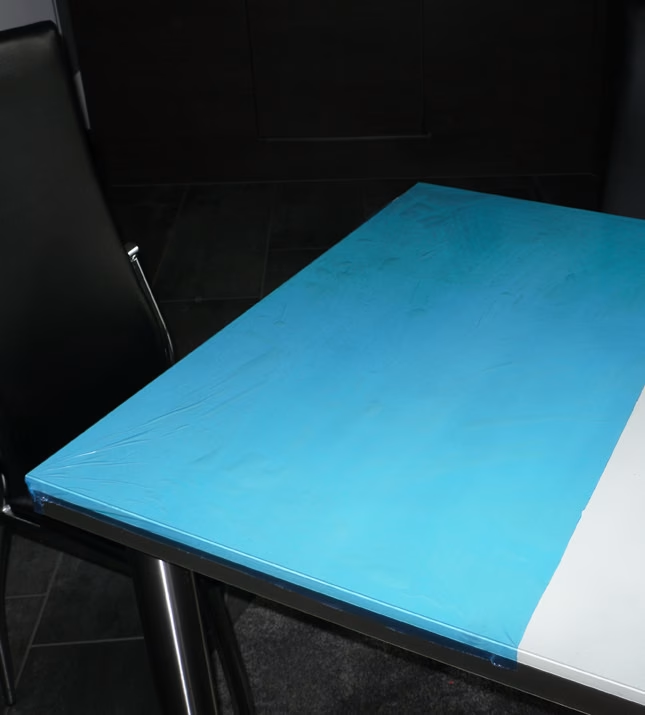
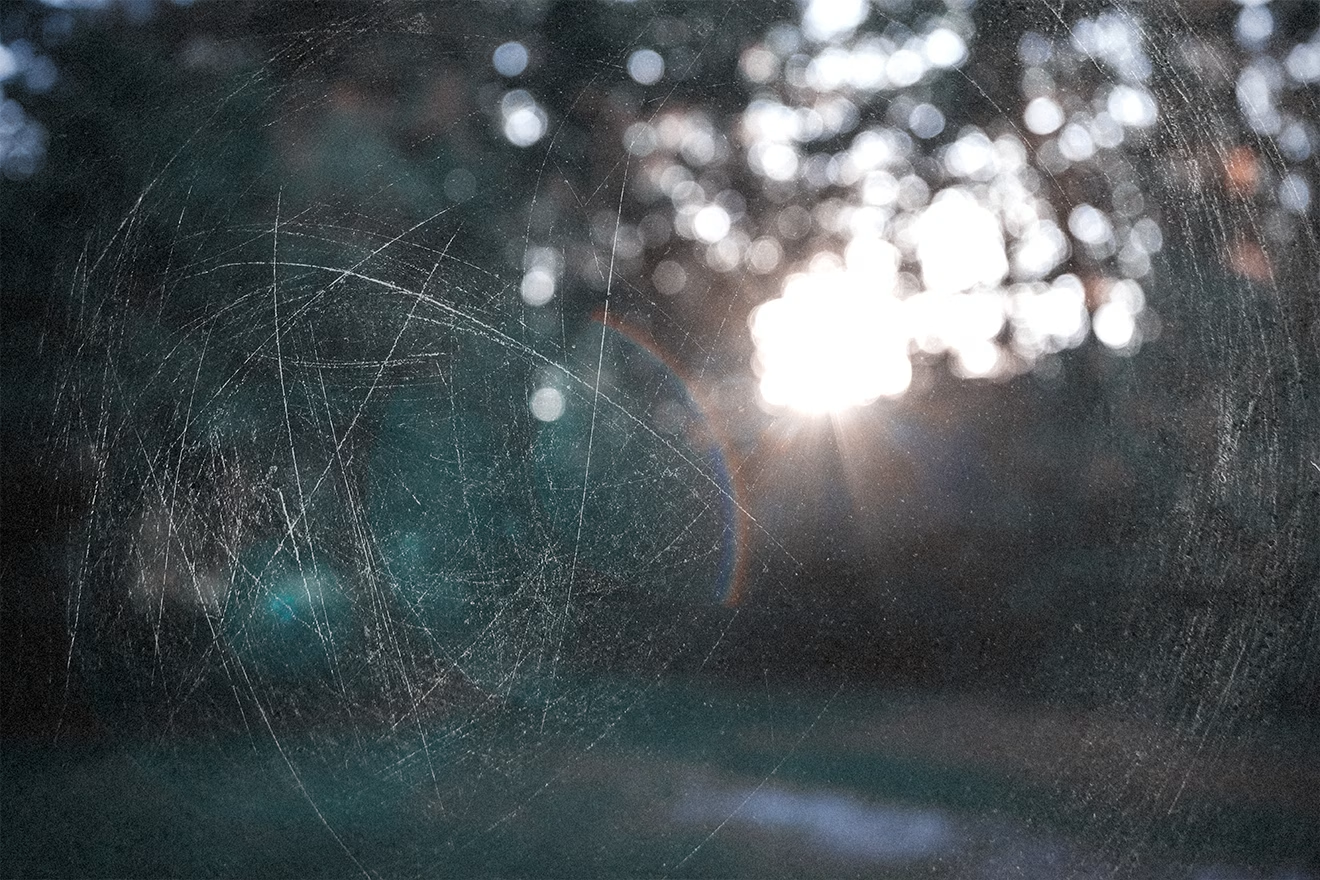
This scratch protection film offers protection for smooth surfaces, whether through carelessness or vandalism. Thanks to the micro-fine suction cups on the back, which adhere to any flat surface without adhesives or bonding agents, this clear, transparent protective film is easy to apply and can be removed again without leaving any residue.


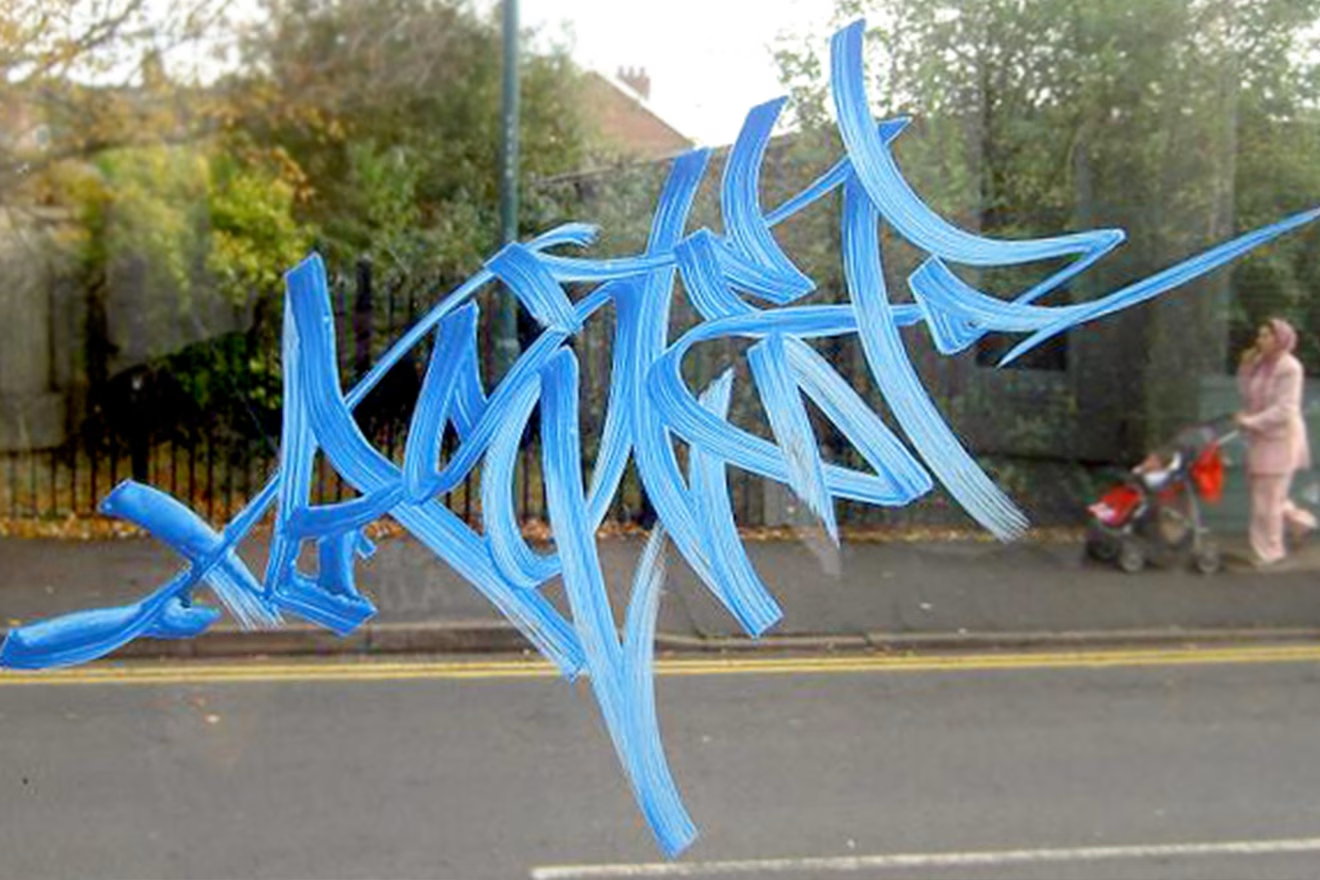
This film reliably protects surfaces from vandalism caused by graffiti and dirt. Spray paint and dirt roll off the matt surface of the self-adhesive film like water off a lotus leaf. Thanks to its strong adhesive, this anti-graffiti film also adheres to uneven and rough surfaces such as plastered or brick walls.
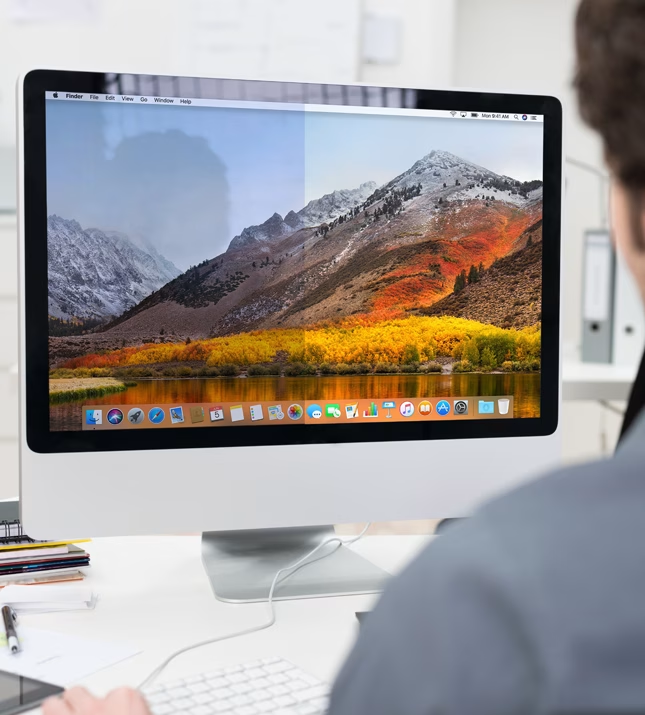

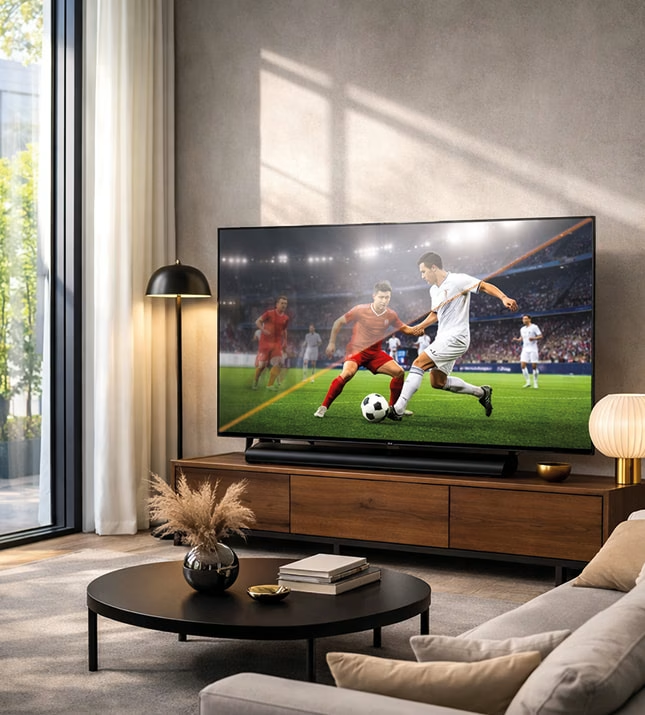
Anti-glare film for televisions & TVs to reduce reflections. The image is anti-reflective and can be recognised better even in direct sunlight.



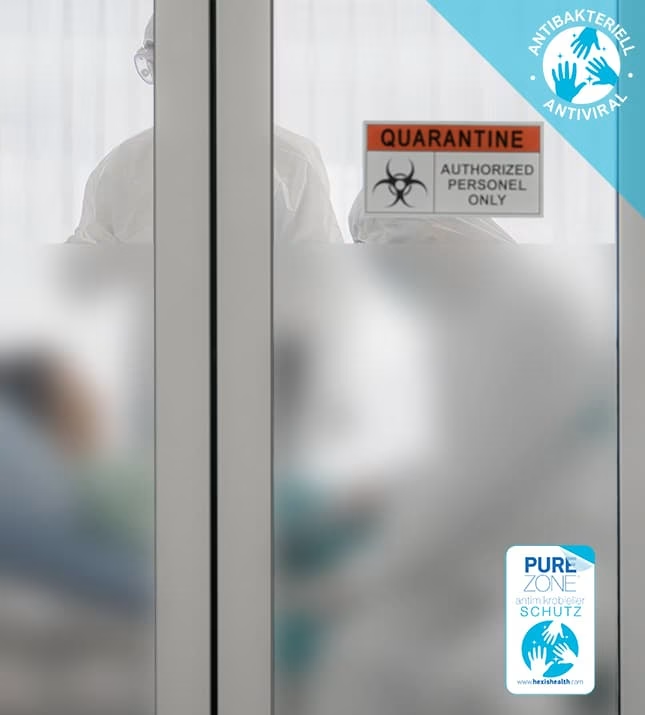

Use the seal to visibly indicate the use of an antimicrobial film to your audience. Available in two sizes, suitable for any application site.


Protective films for every need - safety, comfort and durability for glass and surfaces
Protective films offer effective protection for glass surfaces and other surfaces against various hazards such as glass breakage, vandalism, stone chipping and harmful radiation. They are easy to apply without removing the window and are customised to your individual dimensions. The range includes various types of protective film:
Anti-burglary films
These special films increase the resistance of glass surfaces to forced entry. They consist of a multi-layer, tear-resistant polyester structure and ensure that glass does not break immediately, even under heavy pressure or impact. This makes it more difficult for burglars to break in and provides an additional layer of security for windows and doors. They are particularly suitable for private homes, offices and shops with large glass surfaces.
Shatter protection films
Anti-shatter films serve to prevent accidents and injuries caused by glass splinters. They keep the shards of glass together after breakage and thus reduce the risk of cuts. They are a particularly useful protective measure in public facilities, schools, nurseries and production facilities. Many of these films also fulfil the DIN EN 12600 safety standard for impact-resistant safety glass.
Scratch protection films
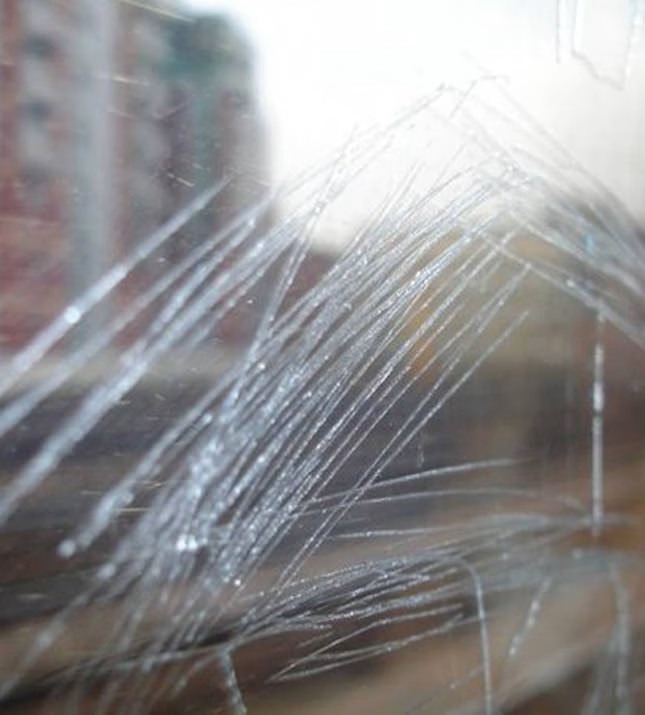
These films protect sensitive glass and plastic surfaces from scratches, abrasion and vandalism. They are ideal for shop windows, counters, displays or public transport where frequent contact or wilful damage is a problem. If the film itself is damaged, it can simply be replaced without damaging the surface underneath.
Wall protection films
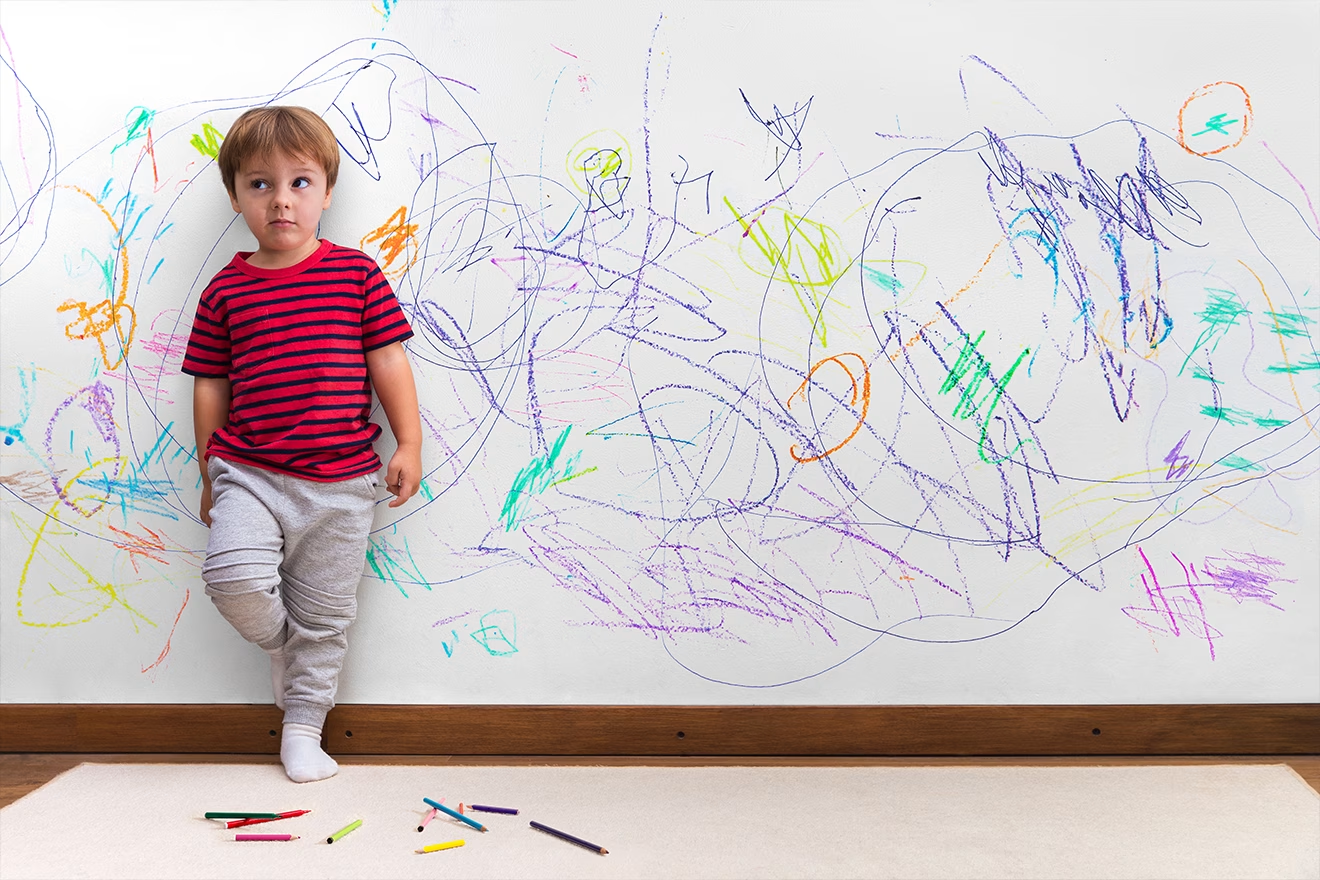
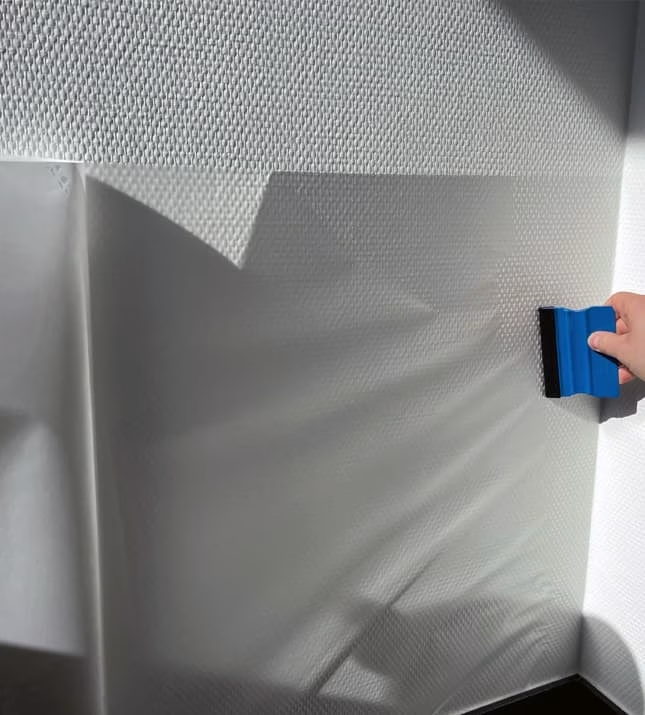
Specially developed for walls, these films protect against wear, stains and mechanical damage. They are mainly used in high-traffic areas such as hospitals, schools or hotels. The transparent protective layer preserves the original appearance of the walls while at the same time protecting them from external influences.
Antibacterial films
These innovative films have a special coating that reduces the growth of bacteria and germs. They are ideal for use in medical facilities, catering, public transport or anywhere where hygiene plays a major role. They offer additional protection against the spread of pathogens, especially in times of increased risk of infection.
Anti-glare films
Reflections and glare on displays can be annoying. Anti-reflective films significantly reduce these effects and ensure better legibility and visibility. They are often used on screens, billboards or even museum and picture frame glass to minimise reflections and increase viewing comfort.
Infrared protection films
These special films block a large proportion of infrared radiation and help to reduce heat build-up from solar radiation. This helps to keep interiors cooler in summer and saves energy as less air conditioning is required. They can also help to minimise skin ageing and cell damage caused by prolonged exposure to IR radiation. They are used particularly frequently in office buildings, conservatories or living spaces.
FAQs on protective films
Protective films are available in the following versions:
- Anti-burglary film: Protection against vandalism
- Shatter protection film: Protection against glass breakage and injuries
- Scratch protection film:Surface protection for smooth surfaces
- Anti-graffiti film: Protection against paint smears on window surfaces
- UV protection film: Fade protection against UV-A & UV-B rays
- Infrared protection film: Shielding against IR-A & IR-B rays
Like a sticker, self-adhesive protective films have a transparent adhesive on the back. This is covered by another film, which must first be removed. The adhesive side and the windscreen are then sprayed with water. The film is then placed on the glass and the water is wiped out from under the film.
To remove a protective film, it is gripped at one corner and then slowly peeled off at a wrong angle. In the case of adhesive films, the film can first be heated by hand with a hair dryer to dissolve the film adhesive.